


COLORADO POLLINATOR MONTH
June is Colorado Pollinator Month
Since 2017, at PPAN's behest, the Governor’s office has designated the entire month of June as Colorado Pollinator Month to celebrate our state’s biodiversity and raise awareness about the important roles that pollinators play in preserving ecosystems and human health, as well as agricultural productivity.


Participate In Colorado Pollinator Month

Every purchase supports PPAN!
Each June, Colorado takes time to celebrate our pollinators and the many ways we can help protect them. To celebrate, we're launching limited edition My MILKWEED Brings All the BUGS to the Yard t-shirts that you can only get during Colorado Pollinator Month!
.jpg)
PLEDGE to Be Pesticide-Free
Add your home, business, school, place of worship, community garden, or farm, to a map of safe havens for people, birds, pets, and pollinators. The map provides anonymized research data and inspires neighbors to join you.

Every plate creates new habitat and grows this movement!
Support pollinators everywhere you go by ordering Protect Pollinator specialty plates for your car or motorcycle.
Plate donations fund PPAN's statewide Habitat Grants Program.

Restore biodiversity, feed the bees, and enjoy the flowers!
Whether you're 'Coloradoscaping' with all native plants, adding floral forage to your vegetable garden, or planting prairie strips on your farm, every single plant counts! Get involved in habitat gardening today!


Our June Pollinator Month Events:
 First Gentleman Speaker Series: Protecting Colorado’s PollinatorsTue, Jun 30Governor's Residence at the Boettcher Ma
 Big Day of Bugs 2026Fri, Jun 26Denver Botanic Gardens
 Harlequin's Gardens: Organic Lawn ManagementSun, Jun 21Harlequin's Gardens
 Understanding and Protecting Fireflies WebinarWed, Jun 17Webinar
 Harlequin's Gardens x Wild Ones: Getting Started with NativesSun, Jun 14Harlequin's Gardens
 6th Annual Ollin Farms Pollinator Safe Plant ExchangeSat, Jun 13Ollin Farms
 Louisville Bee City USA Pollinator Garden TourSat, Jun 13Louisville
 Conservation Gardens FairSat, Jun 13Northern Water
 Mothapalooza: A Magical World of Moths!Thu, Jun 11Beech Shelter


 Harlequin's Gardens: Water-Wise LandscapingSun, Jun 07Harlequin's Gardens
 Blooms & Buzz Wash Park East Garden TourSat, Jun 06Washington Park
 Ollin Farms: Pollinator FestivalSat, Jun 06Ollin Farms
 Lyons Pollinator Power!Sat, Jun 06Sandstone Park
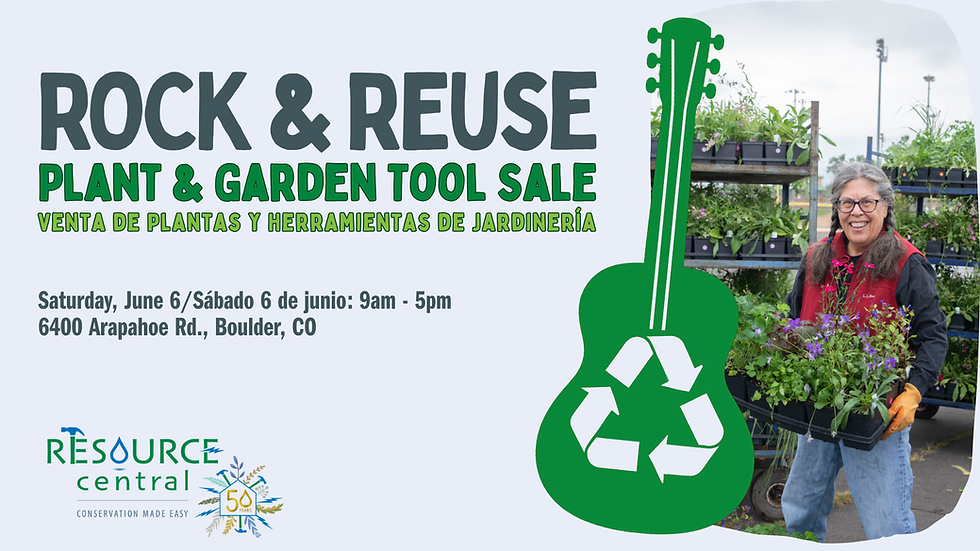 Spring Plant Sale + Rock & ReuseSat, Jun 06Resource Central: Reuse & Conservation
 FoCo EcoFest & Xeriscape Garden PartySat, Jun 06Washington Park

Learn About Colorado’s Unique Native Pollinators
COLORADO NATIVE POLLINATING
INSECTS HEALTH STUDY
Learn more about Colorado insects on this interactive map BELOW. Roll over or click on the insects to learn more and also view the Pollinator Study and the state bill that made it possible.
Insects, often underestimated, play a remarkable role in our state's landscapes. Not only are they cool, but they are also vital contributors to essential ecosystem services. From pollination to waste decomposition, insects support Colorado's diverse landscapes, from the mountains to the rivers. Join us as we delve into the world of this fascinating wildlife and learn about the Colorado Native Pollinating Insects Study (2024) report!


Rollover the insects above to learn about them


