top of page


NEWS


STAY UP-TO-DATE ON PPAN HAPPENINGS
HERE & ON SOCIAL MEDIA

Healthy Schoolyards Initiative
Please join PPAN as we launch our Healthy Schoolyards Initiative! Check out our Healthy Schoolyards Initiative Webinar to learn about the glaring hole in Colorado's pesticide safety regulations, why it matters, and what you can do about it. Plus, browse the resources below and get involved! Healthy Schoolyards Initiative Resources Healthy Schoolyards Initiative Webpage Advocacy Action Checklist Regulatory Landscape of Pesticides Join the Coalition! Thank You to Our Speakers!


Colorado Takes Executive Action to Protect Pollinators!
Signing of the Executive Order Directing Directing the Protection of Colorado's Pollinators. After nearly 8 years of advocacy and partnership working with the Governor's Office towards this Order, we are thrilled to announce that today, September 16, 2026, Governor Polis signed a new Executive Order, directing Colorado state agencies to take coordinated action to protect and support Colorado's pollinators. PPAN's Executive Director Joyce Kennedy, co-founder Rella Abernathy, a


Meet the Pollinators You've Been Swatting Away Webinar
When we talk about pollinators, bees and butterflies typically come to mind– but they're far from the whole story. Join PPAN and the Butterfly Pavilion for a closer look at one of nature's most under appreciated pollinators: flies! Across gardens, farms, and wild edges, flies are moving pollen; and in higher elevations, they are some of our most important pollinators. In this webinar, you'll explore the ecology and life history of the order Diptera, their role in pollination


Planting Party for Pollinators
Hey Neighbor, a 2025 Habitat Fund Grantee, is 5 planting parties in, and the Stratton Meadows neighborhood is starting to transform into an edible, beautiful, and water-wise oasis. On May 30th, 20 volunteers, including Hey Neighbor staff, Stratton Meadows neighbors, Colorado College students, and Fountain Creek Watershed staff spent six hours transforming the front yard of neighbor Joel Adams. Together, they planted 60 shrubs and perennials, including fruit trees, berry bushe


Understanding and Protecting Fireflies in Colorado with Dr. Orit Peleg
In this webinar with CU Boulder's Dr. Orit Peleg of The Peleg Lab, we dive into the fascinating world of fireflies—their biology, their language of light, the threats putting them at risk, and how to protect them at home and in your community.


Business Sponsor Spotlight: The Apiarian Home
The Apiarian Home is a beeswax fragrance and apitherapy business based in Fort Collins. Their five fragrances are inspired by the intelligence of a honeybee colony. Each scent is drawn from a role and place within the colony. Like the hive itself, they are designed to collectively support your daily rhythms and rituals. Together, they form a holistic collection to bring the essence of nature into your home. Buy some of Apiarian Home products! A portion of every sale goes dir


Happy Colorado Pollinator Month!
Governor Polis has designated June as Colorado Pollinator Month to celebrate and raise awareness about the important roles that pollinators play in preserving biodiversity; agricultural productivity; and in sustaining the health of ourselves and our ecosystems! Join us in June each year for educational programs, community events, and conservation efforts throughout the state! AND, bring a friend to help spread awareness about how to ensure the health of these essential specie


Mosquito Control: Science, Risks, and Solutions Webinar
With a flier in the mail or a door-to-door sales visit, you’ll notice many mosquito control companies offering to spray your yard this time of year. Though this may seem like a quick and easy way to deal with mosquitoes, it’s often an ineffective control strategy. Worse, these insecticides are toxic to pollinators and other beneficial insects and may pose a risk to people, too. Check out the webinar recording below to learn about the risks residential mosquito sprays pose to


Beat the Bite: 6 Ways to Keep Mosquitoes Away This Season
Mosquitoes are annoying at best and a real health concern at worst— even though they are technically pollinators. But you don't have to just put up with them. A few targeted changes around your home and yard can dramatically cut down on bites with no chemicals required. Create a biodiverse landscape with native plants to encourage beneficial wildlife and natural mosquito predators, such as birds, bats and dragonflies . Eliminate standing water regularly from your property whe


HB26-1132: Practices to Support Pollinators Approved by the Legislature!
The legislative body has demonstrated a meaningful commitment to the conservation and restoration of our scenic landscapes– making Colorado even more colorful by passing, HB26-1332 Practices to Support Pollinators. What the Law Will Mean The 2024 Colorado Native Pollinating Insects Health Study made something clear: habitat loss and non-native plants are some of the primary drivers of pollinator decline in Colorado. It also pointed to what the state should do about it– priori


How Flowers Made Our World Webinar
Flowers are revolutionaries. When flowering plants evolved, they swiftly transformed the planet, and their productivity sustains much of life today. From rainforests to prairies to seagrass meadows, much of the Earth’s diversity is now directly dependent on flowering plants. Without flowers, primates would not have evolved and our ancestors would never have ventured beyond the forest in grasslands. Using examples from his latest book, How Flowers Made Our World, David Haskell


What’s on Your Plate? A Quick Guide to the Dirty Dozen
Each year, the Environmental Working Group (EWG) puts out its Shopper’s Guide to Pesticides in Produce , highlighting what’s known as the “ Dirty Dozen ”, a list of fruits and veggies that tend to carry the highest levels of pesticide residues. Photo from EWG. And it’s not just obscure items—it’s some of our everyday staples. Strawberries, spinach, kale, grapes, apples… foods many of us toss into our carts without a second thought. To be clear, this isn’t about scaring anyon


Say NO 🚨 to PFAS on CO public lands and YES to growing, eating, growing and legislating native plants!
Happy spring, pollinator people! As the equinox approaches, we hope you're finding that elusive balance between care for the earth and concern for our fellow earthlings. If you do find yourself wavering, we invite you to go outside and say hello to an emerging plant, look for the first buzzing insects (who will definitely be out and about with this week's high temps), and support pollinators in whatever ways you can—through loving , learning , and supporting policies that pr


Safer, Not Sicker: Why Strong Protections from Toxic Chemicals Matter
Under the Trump administration, the office that approves pesticides remains fully staffed and moving faster than ever. The office that fact-checked those approvals is gone. The EPA has eliminated its Office of Research and Development — the division responsible for the independent science used to evaluate industry-submitted safety claims — while accelerating pesticide approvals , renewing approval of the drift-prone herbicide dicamba , and invoking the Defense Production Ac


Tell Food Companies to Reject GMO Wheat!
Post written by Friends of the Earth . What if you found out the wheat in your bread, pasta, and cereal was genetically engineered and sprayed with a TOXIC herbicide? This could soon become our reality if we don’t act. A new kind of genetically engineered (GMO) wheat was just approved in the U.S., and we need to stop it before it enters our food system. This new GMO wheat – called HB4 – is engineered to tolerate glufosinate, a highly toxic herbicide banned in the European Un


Edible Native Plants of Colorado Webinar
Discover how Colorado’s native plants can nourish both people and pollinators! In this webinar, we’ll dive into Colorado-native plants you can eat, why they matter for local ecosystems, and how to grow vegetables in ways that actively support pollinators. Participants will gain region-specific guidance, garden design tips, and actionable steps to create productive gardens that give back to wildlife. View Idelle's Slides | View Rob's Slides Thank you to our speakers! Idelle F
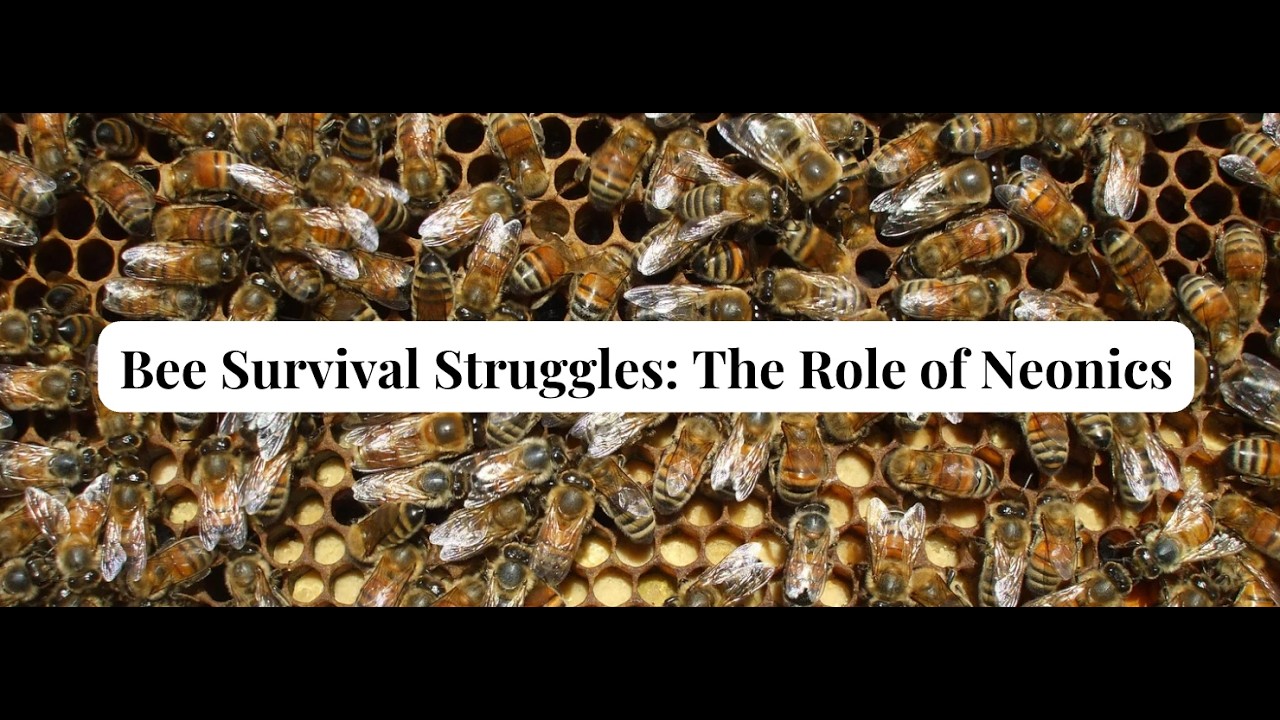
Bee Survival Struggles: The Role of Neonics Webinar
Check out this webinar from the Seed We Need Coalition, NRDC, the Pueblo County Beekeepers Association, and PPAN on Bee Survival Struggles: The Role of Neonics . This webinar features Judy Wu-Smart from the University of Nebraska-Lincoln. Judy Wu-Smart has degrees in Zoology and Entomology, and she has researched the effects of pesticide residue accumulation in brood comb on honey bee health. Her PhD research examined the effects of systemic neonicotinoid insecticides on hon


Today is the day to Save the SEED Act ☎️ + Pollinator News & Events
Hi there, changemakers. The "Strengthening Economic and Environmental Decisions" (SEED) Act—SB26-065—needs your help today. The CO Senate Agriculture & Natural Resources Committee will vote this Thursday (2/26) on whether to kill the bill in Committee or send it on for a full debate on the Senate floor. Now is the time to call the members of the 'Ag Committee' and tell them why you want them to advance SB26-065 (sponsored by Senators Wallace and Kipp and Representatives Brow

Inside the Colorado Legislature: Pollinator Protection in the 2026 Session Webinar & Resources
Colorado’s 2026 legislative session is underway– and several important bills could have lasting impacts on pollinators, wildlife, and native habitats. The webinar will feature: An overview of the legislative process and the legislative outlook A closer look at three of PPAN’s Legislative Priorities: Native Plant Bill, HB26-1132 : expanding state access to and use of native plants Rodenticide Bill, SB26-062 : prohibiting toxic rodenticides The SEED Act, SB26-065 : limiting us


From vegetables to a community by Becky Dickson
By Rebecca Dickson, PPAN board chair and vice chair of the Sierra Club-Indian Peaks Group Our city and our nation face many challenges right now: concerns about the environment, locally, nationally, internationally; issues with the quality of our food, from pesticide toxins to forever chemicals to microplastics. And nutritious food is more expensive than ever. On top of this, the national turmoil just does not stop. It can leave us all feeling alienated and alone and powerle


Time to call your legislators for pollinators & environmental health ☎️
Through the Colorado Environmental Health Coalition, PPAN is supporting 9 important bills—from pesticides to plastic pollution to wildlife to energy systems. Read on for ways to get involved and more pollinator news! 🐝 📰 😊 Read our February 10th Newsletter below: Hi there, Colorado ~ During last November's Pollinator Summit, the audience was polled, and only 17% of those present expressed interest in advocacy, but almost 70% were interested in habitat work. You can't have


International Women’s Beekeeping Day: Following What We Love, Building What’s Possible
International Women’s Beekeeping Day is a chance to celebrate the women who care for bees, steward land, and show up every day for pollinators — often simply by following what they love. Photo from Loveland Reporter-Herald. For many women in beekeeping, the work has never been about breaking barriers for the sake of it. It’s been about curiosity, care, and commitment. As PPAN board member and longtime beekeeper Beth Conrey shared, “I just did what I loved — [it] had nothing


Glyphosate Safety Study Retracted Due to Ethics Problems
Photo from U.S. Right to Know A new piece from U.S. Right to Know just revealed that a major scientific study used to justify glyphosate’s safety has been retracted over serious ethics issues. It turns out the “independent” authors were actually Monsanto employees, quietly advancing the pesticide industry’s agenda. If you want the full story, you can check out the article here . READ THE ARTICLE!


Save Beer! 🍻
Why removing toxic pesticides matters — even for your favorite pint Photo from Green America. Here in Colorado, beer isn’t just a drink -- it’s part of our culture. From local taprooms and festivals to mountain hikes capped off with a cold one, beer brings people together. But behind every brew is an agricultural system that can either help or harm our environment. That’s why PPAN, along with other aligned organizations, is proud to partner with Green America's “Save Beer!” c

The Pollinators of the Night: Why Bats Matter & How To Support Them Webinar and Resources
From sustaining desert ecosystems to supporting agricultural economies, bats are essential pollinators and pest managers. Yet, their contributions are often overlooked, and many species face growing threats. Join PPAN by checking out the webinar below with Dr. Kristen Lear, Director of Bat Conservation International’s (BCI) Agave Restoration Initiative. Dr. Lear will highlight the ways bats support biodiversity and human well-being, share updates on BCI’s conservation work, a


Growing Climate Leaders: Pollinators at the DPS Fall Garden Festival
Last week, we had the joy of joining the Denver Public Schools (DPS) Sustainability Team at their Fall Garden Festival—a celebration of...


Celebrating a Decade of Pollinator Progress at the 10th Annual Colorado Pollinator Summit: Empowered for Pollinators
We are thrilled to announce the 10th Annual Colorado Pollinator Summit , taking place November 13–14, 2025 , at Williams Village, CU...


PPAN's Annual Bumblebee Bash
Thank you all for a great 2025 Bumble Bee Bash! We surpassed our fundraising goal and had so much fun celebrating with you all! 🥂🐝🥂...

Back to School: Kids and Pollinators–Creating a Statewide Movement Webinar & Resources
School’s almost back in session, which is a great time to talk about how we can make schoolyards safer and healthier for both kids and...
Pollinators Meet Grasshopper & Mormon Cricket Management Webinar & Resources
You might be repelled by grasshoppers or Mormon crickets, but can you take a moment to learn about their surprising ecological value...
Community Science in Action: Exploring Nature with iNaturalist Webinar
Check out PPAN's June 2025 webinar below to discover how community science supports biodiversity and pollinators. PPAN Board Member and...


June is Colorado Pollinator Month – Let’s Celebrate!
Pollinators like bees, butterflies, and bats keep our ecosystems—and our food systems—thriving. Every June, Colorado takes time to celebrate our pollinators and the many ways we can help protect them. View our main Colorado Pollinator Month page for all of the upcoming events this year: Thanks to years of advocacy and partnership, June has officially been recognized as Colorado Pollinator Month since 2017. People and Pollinators Action Network (PPAN) worked with Governor Joh


Pollinators After Dark: How Light Pollution Impacts the Night Shift Webinar Recording & Resources
When we think of pollinators, bees and butterflies usually come to mind—but there's a whole other crew that works the night shift. Moths,...


Cultivating Change: How Gardening In Your Place Grows the World Better Webinar Takeaways
How is gardening a tool for social and political change? What does it mean to say "gardening is for everyone" in this time and place?...

Gardening for Reptiles & Amphibians Webinar Recording
Are snakes cute? Cameron Young from My Nature Lab seems to think so! Ecosystems are full of complex, layered interactions - even...


Native Plants in Permaculture Webinar Recording & Resources
Just as Amy Scanes-Wolfe mentioned in PPAN's Native Plants in Permaculture webinar on February 27th, there is no such thing as "leave no...


PPAN's Legislative Breakfast
On January 24th, 2025, PPAN had the honor of hosting a Legislative Breakfast for Colorado state legislators, bringing together a room...


Propagation in Practice: Expert Panel Perspectives Webinar Resources
Watch the recording and access resources shared during this popular webinar on native plant propagation at home.


We have work to do, together.
As Robin Wall Kimmerer reminds us in The Serviceberry, “The practice for dealing with abundance is to give it away.”


Organic Turf Park Transitions
As we close out the summer season, PPAN is excited to announce new wins for organic turf transitions at the municipal level. The cities...


Help Us Prove That Pesticides Are Overused in Ag — Tell Your Farmer Friends!
What’s bad for bugs is bad for birds, as our partner organization, the American Bird Conservancy (ABC), well knows! ABC is launching its...


A Full Fall for Pollinator Conservation
Greetings PPAN Community, Between this week’s Harvest Moon, the chickadees and goldfinches going crazy over the sunflowers, and the...


Ways to Support PPAN!
Reading and Roadtripping to Support Pollinators We are thrilled to be launching PPAN’s online bookshop , where 10% of every purchase you...


A Celebration of Community & Biodiversity
Despite the record heat and drought we’re experiencing, we have so much to celebrate this month (July)! Reflecting on a very successful...


Northglenn's Fox Run Natural Area
Check out the demonstration garden at Fox Run Natural Area in Northglenn. This demo garden was installed in partnership with the City of...


2024 Habitat Fund Grantees
We're excited to announce our 2024 pool of Habitat Fund grantees! This second round of grant-making was a difficult one as we were...


Your Favorite New Tee!
Now through June 30 th you can purchase this soft, sustainable, Allmade , heavyweight tee—with a trendy unisex fit—sure to become a...


Local Control Bill, Dead
We heard your voices clearer than ever this year—and we thank you! We thank all of you who contacted your legislators and local leaders,...


Invertebrates & Rare Plants Bill Passes!
We are thrilled to inform you that House Bill 24-1117 — the bill that adds rare plants and invertebrates to the species that may be...


Pollinator-Friendly Businesses!
Own a business? This June, consider participating in Colorado Pollinator Month to showcase your company's commitment to sustainability...
bottom of page